

How to Protect Your Equity When Selling a Home in Georgia
Protecting Your Equity Starts Before the Sign Goes in the Yard
Selling a home in Georgia can be exciting, but it can also be the moment when years of hard-earned equity quietly slip away. Between pricing mistakes, avoidable repair concessions, overly generous credits, and poorly negotiated contract terms, many homeowners leave money on the table without realizing it until closing day. The good news is that equity protection is not about being aggressive for the sake of it. It is about being informed, strategic, and represented by someone who knows how to advocate for your bottom line.
For many sellers, equity is more than a number on a settlement statement. It may represent retirement planning, a move-up purchase, debt reduction, or the financial cushion that supports the next chapter. In a market as varied as Georgia, where suburban demand, relocation activity, school districts, and neighborhood-specific pricing can all influence value, a careful plan matters. That is why a results-driven approach rooted in integrity and client guidance can make such a difference from listing to closing.
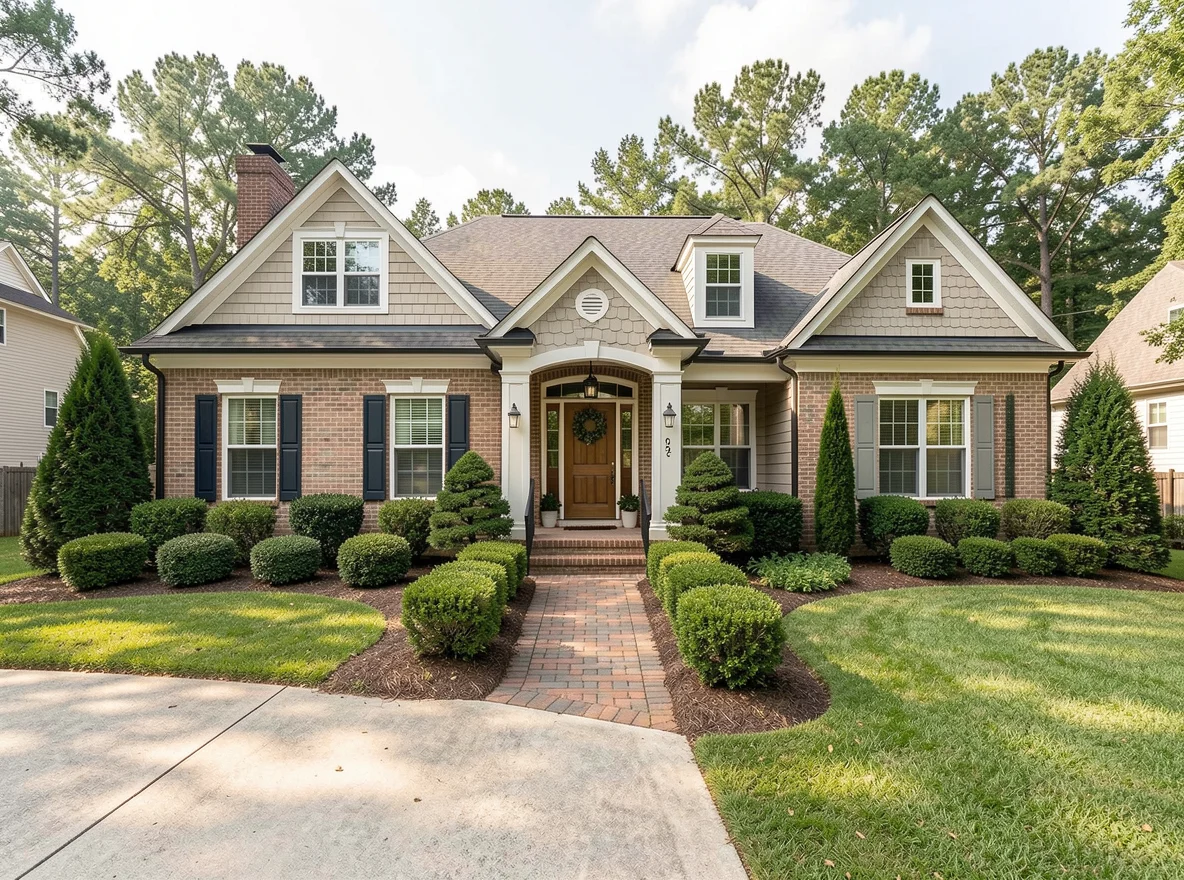
One of the biggest threats to seller equity is incorrect pricing at the start. Price too high, and the home can sit, grow stale, and attract low offers from buyers who think the seller is now under pressure. Price too low, and you may generate activity, but still risk missing the full value the market would have supported. In Georgia, where local conditions can shift from one subdivision to the next, pricing should be based on recent comparable sales, active competition, buyer behavior, and property-specific strengths rather than broad online estimates.
Presentation is another major factor. Buyers decide quickly, and homes that feel clean, bright, and move-in ready tend to command stronger offers and fewer objections. That does not mean every seller needs a full renovation. Often, the best return comes from targeted improvements: fresh paint, landscaping cleanup, minor repairs, lighting updates, and thoughtful staging. These practical steps can reduce buyer hesitation and help preserve negotiating leverage once offers begin to arrive.
Negotiation is where equity is most visibly won or lost. The highest offer is not always the best offer, especially if it includes shaky financing, excessive contingencies, or unrealistic repair demands. A strong listing strategy should evaluate the entire package: purchase price, appraisal risk, closing timeline, seller-paid costs, inspection exposure, and the likelihood that the buyer can actually perform. Skilled representation protects homeowners by identifying where an attractive headline number may hide expensive compromises.
Use Inspections, Repairs, and Concessions Strategically

Inspection negotiations are one of the most common places where sellers unintentionally surrender equity. After a buyer goes under contract, it is easy to feel emotionally committed and tempted to agree to every repair request just to keep the deal alive. But not every item on an inspection report deserves a credit or contractor invoice. Some findings are routine maintenance, some are cosmetic, and some can be addressed with far less expense than the buyer initially demands.
A smart approach begins before listing. If a seller knows there are aging systems, moisture issues, roof concerns, or deferred maintenance, it may be worthwhile to address them early or at least price and disclose them appropriately. Surprises create fear, and fear creates leverage for the buyer. By contrast, transparency and preparation help control the conversation. This is where a service-oriented Realtor can provide real value: helping homeowners decide what to repair, what to disclose, and what to negotiate firmly.
Appraisal issues can also affect equity, especially in shifting markets or when a home is priced at the top of its likely range. If the property does not appraise, sellers may face pressure to reduce the contract price. To guard against that outcome, it helps to position the home with strong comparable support from the start, document meaningful upgrades, and review the buyer’s financing terms carefully. In some cases, the right contract language can also provide a better framework if value questions arise.
Closing costs and concessions deserve equal attention. Offering too much too quickly can erode net proceeds in ways sellers barely notice until the final settlement sheet arrives. Whether it is paying for rate buydowns, home warranties, title-related expenses, or repair credits, each concession should have a strategic purpose. The goal is not to refuse every request; it is to trade value intelligently and keep the seller’s larger financial outcome front and center.
Local Knowledge, Market Timing, and Strong Guidance Matter

Georgia homeowners also benefit from understanding the lifestyle factors buyers are really paying for. Access to strong schools, commutable locations, established neighborhoods, green space, recreation, dining options, and community character all influence perceived value. A home is never sold in isolation. It is sold as part of a story about daily life, convenience, and future opportunity. When that story is marketed well, buyers often feel more confident and motivated, which supports stronger pricing and cleaner terms.
That is especially true in areas where buyers are comparing multiple homes with similar square footage. The difference may come down to presentation, neighborhood appeal, or how clearly the listing communicates the home’s advantages. Properties near sought-after amenities, active community spaces, golf, trails, or vibrant local gathering areas can attract attention from buyers looking for more than just a floor plan. Effective marketing should connect the property to the lifestyle that makes it desirable.
Guidance matters even more when emotions run high. Selling a home often involves deadlines, family transitions, financial pressure, and uncertainty about what comes next. Having an advocate who values integrity, communicates clearly, and keeps the focus on protecting homeowner equity can steady the process. A veteran perspective often brings discipline, service, and calm under pressure, which can be especially helpful during negotiations and unexpected contract turns.
Ultimately, protecting your equity when selling a home in Georgia comes down to preparation, pricing, presentation, and negotiation. Homeowners who take a thoughtful approach are better positioned to avoid unnecessary discounts and hold onto more of what they have built over time. With passionate, results-driven representation from Stephanie Andrews at Realty of America, sellers can move forward with confidence, knowing they have a strong advocate working to protect both their goals and their hard-earned investment.